Aitzbitarte III 2025 Campaign

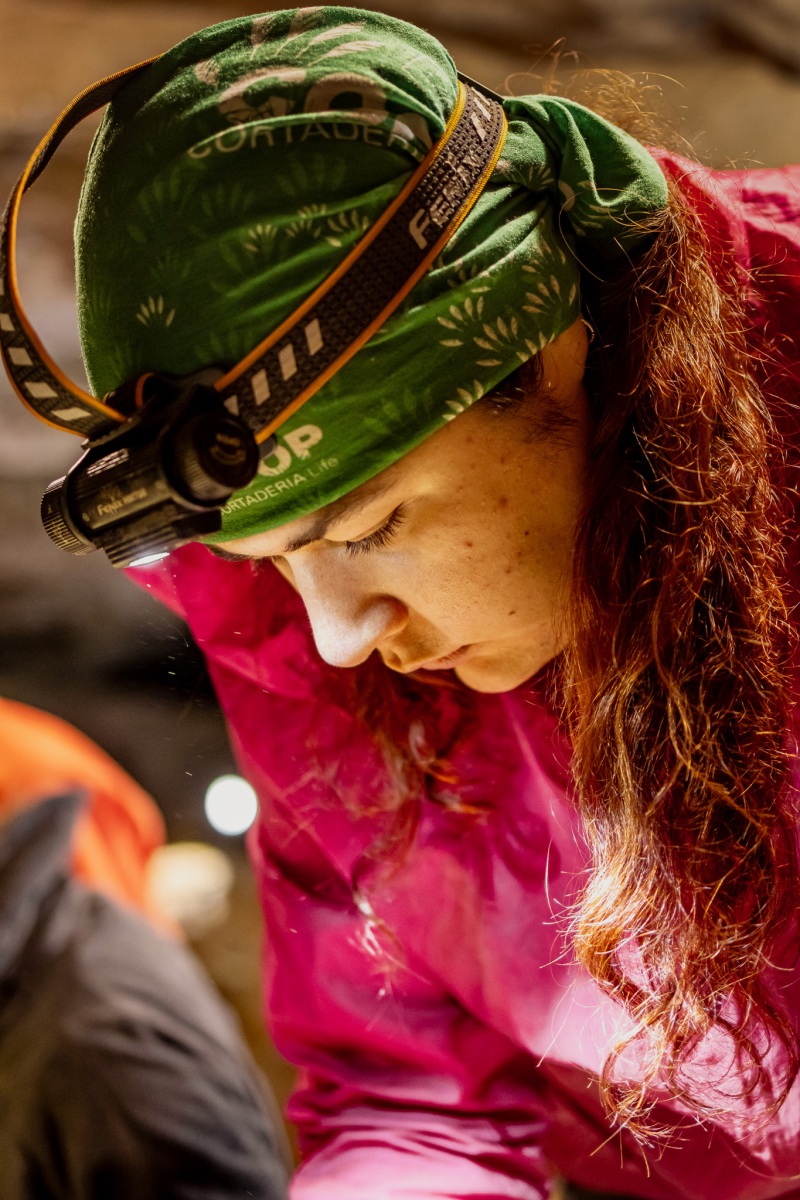
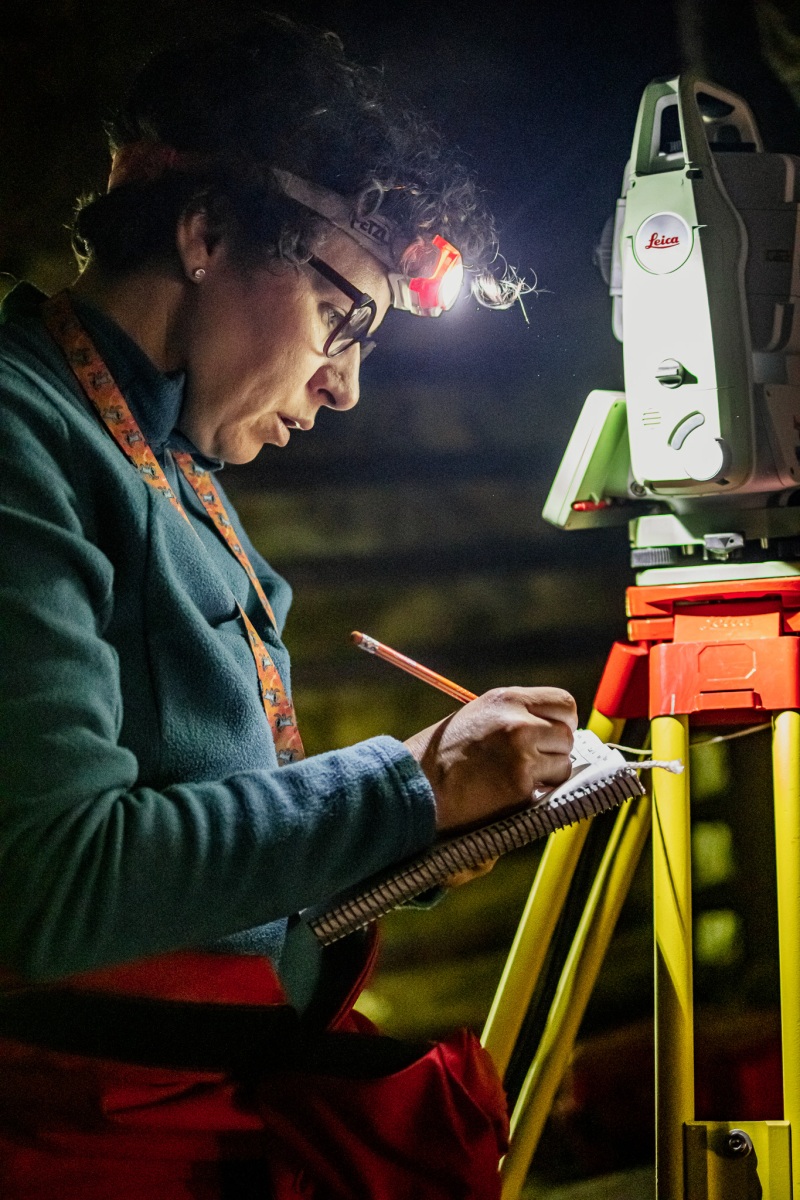
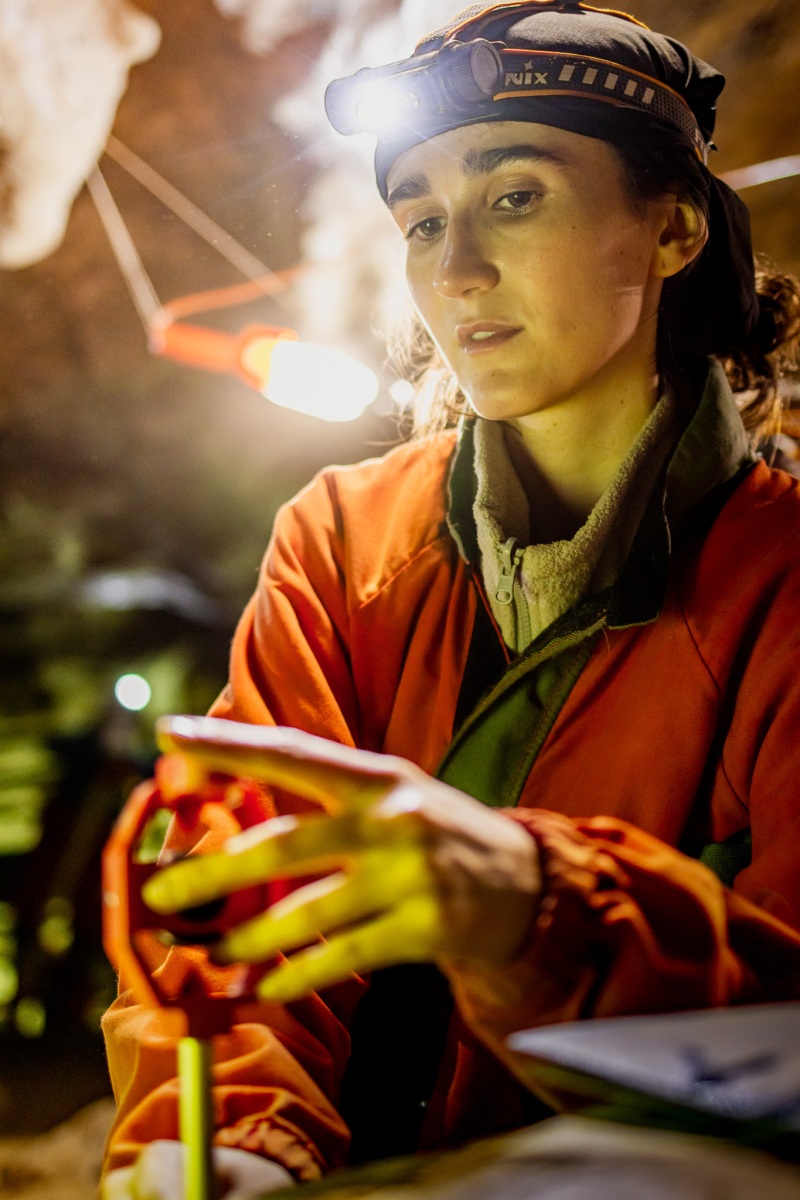
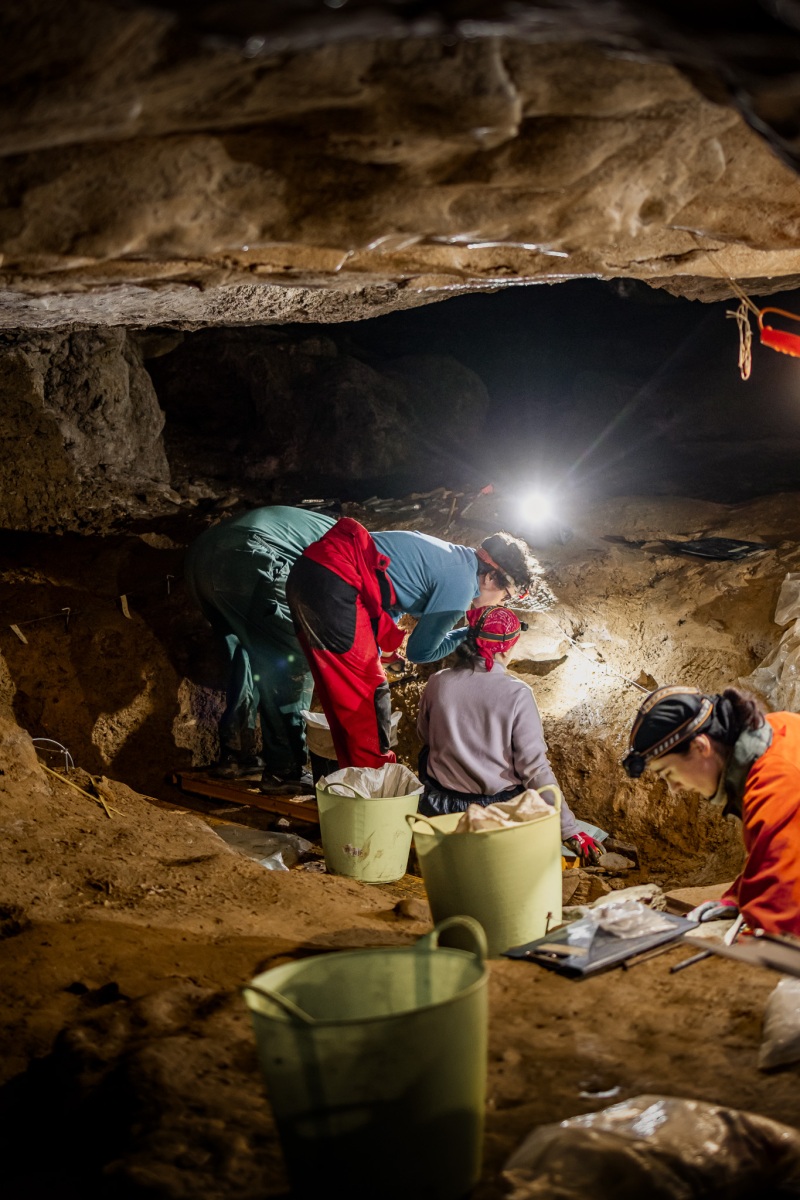
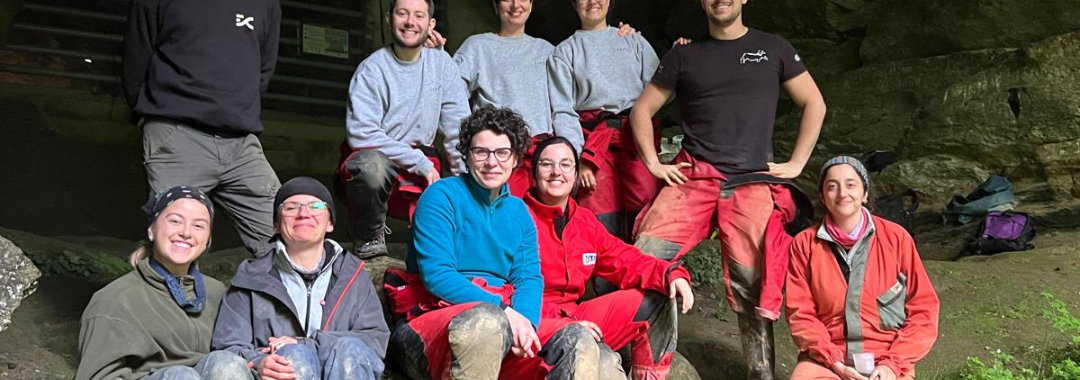
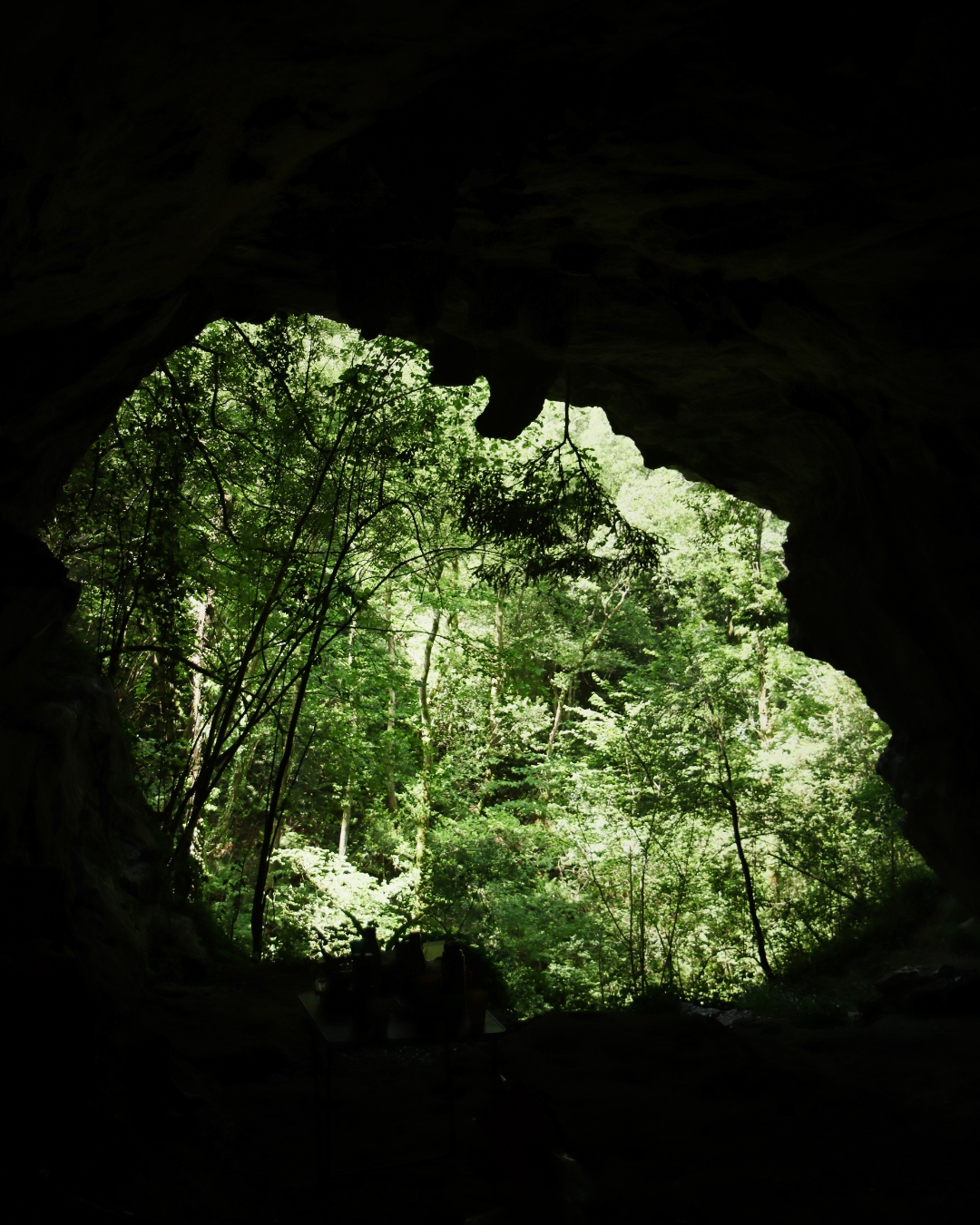
From 1 to 14 June 2025 the EvoAdapta group (University of Cantabria), with the Prehistoric Technology Laboratory from the University of Salamanca, carried out the fourth archaeological campaign at the Aitzbitarte III cave (Rentería, Gipuzkoa). Located in the Landarbaso area, near San Sebastián and surrounded by a cluster of Paleolithic sites, Aitzbitarte III is a key site for understanding the late Neanderthals and the arrival of early Homo sapiens in the northern Iberian Peninsula.

Fieldwork and objectives

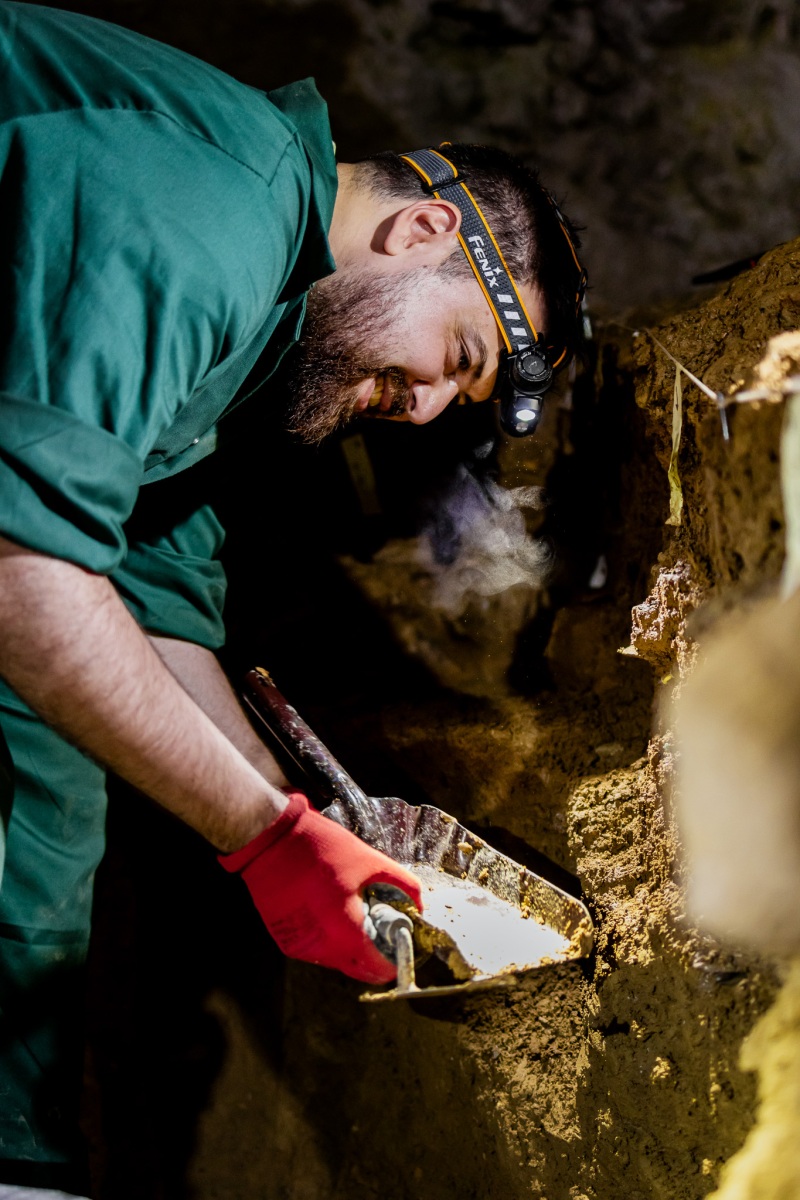
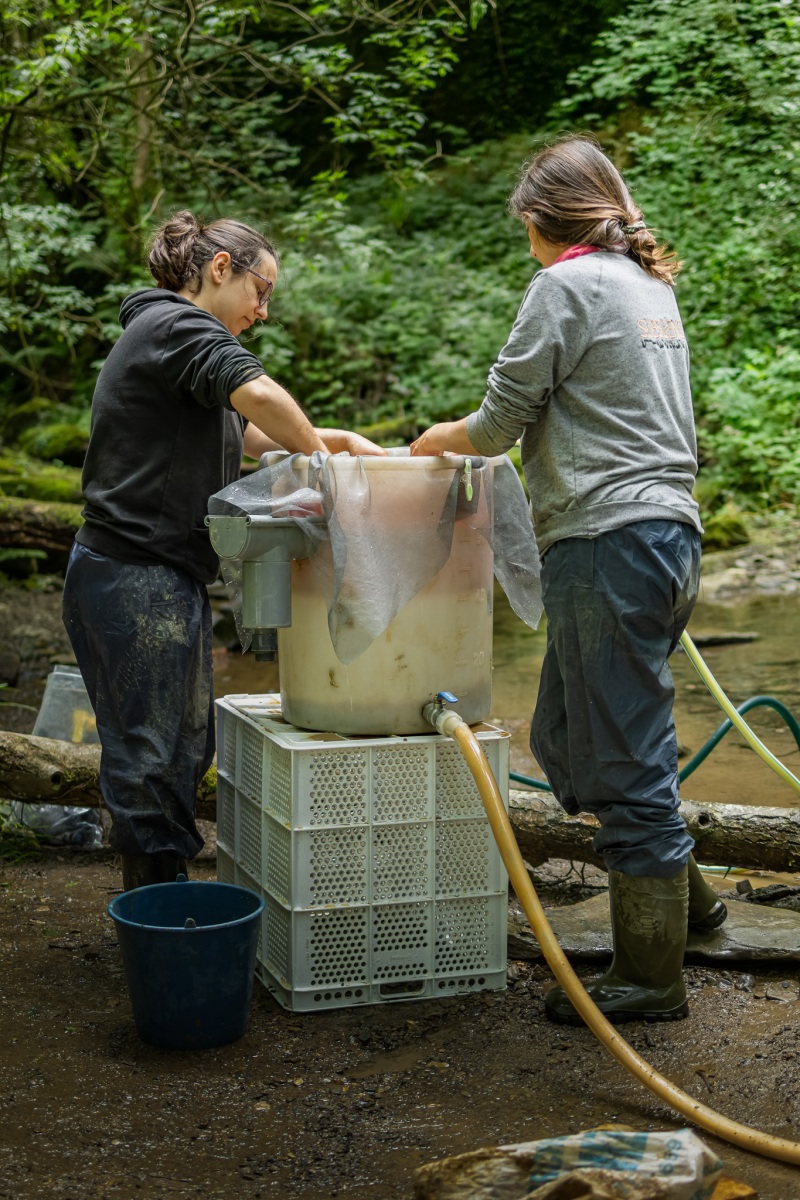
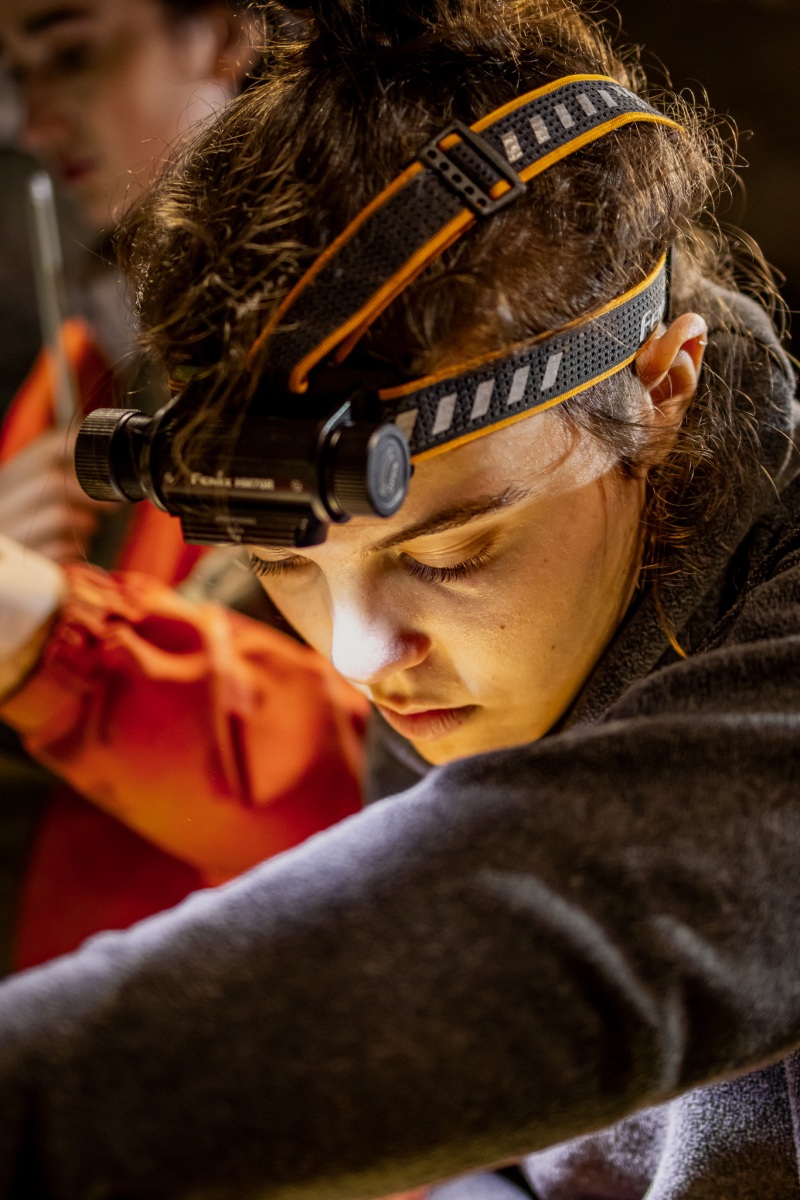
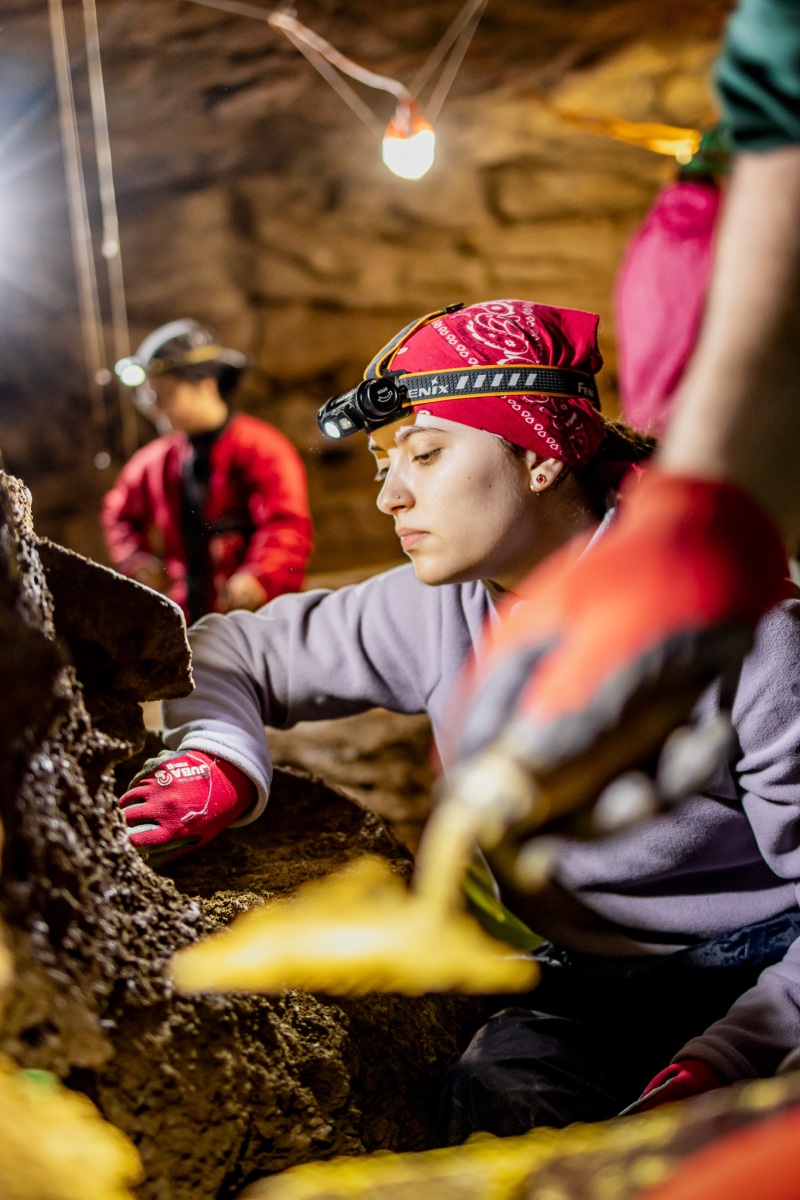
Over the course of the two-week campaign the multidisciplinary team focused on refining the site stratigraphy and recovering material for laboratory study. Excavation work prioritized the controlled recovery of faunal remains, lithic assemblages and samples destined for high-precision analyses —including archaeozoology, radiocarbon and OSL dating, stable isotope and palaeoproteomic approaches— that are central to the SUBSILIENCE project’s goal of reconstructing past diets, ecosystems and human resilience during the Middle-to-Upper Palaeolithic transition.

People, training and outreach

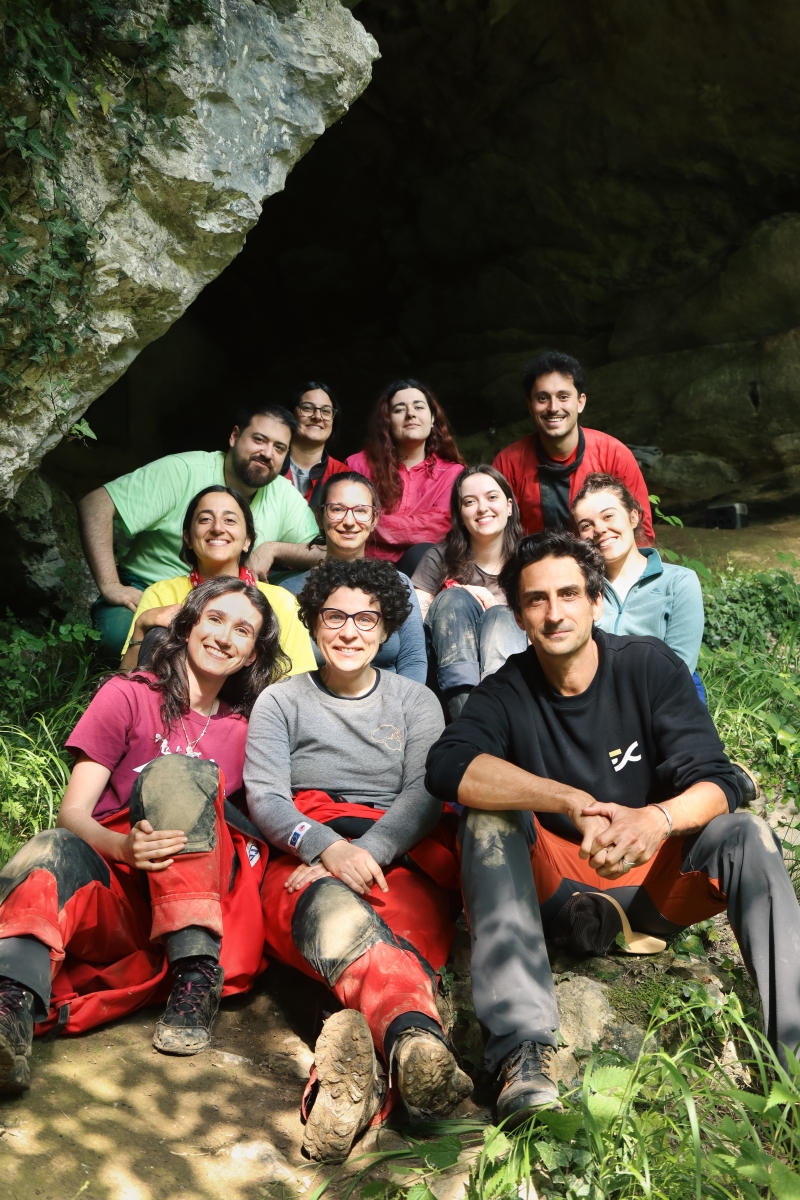
The campaign brought together senior researchers, postdoctoral fellows and early-career students from various institutions. Field seasons, such as this one, are not only about data collection: they form an essential training ground for the next generation of archaeologists and bioarchaeologists. During the campaign the team also continued its commitment to public outreach and science communication through social channels and planned guided-visit activities tied to the project’s wider dissemination programme.

During the campaign, Dr. Ana Belén Marín-Arroyo, Principal Investigator of SUBSILIENCE, gave a lecture at the Oiasso Museum in Irún within the complementary conference series to the “NEANDERTHALS” exhibition during the European Archaeology Days. Her talk, “The causes of Neanderthal decline: their demise in the Iberian Peninsula,” offered a scientific reflection on the factors behind their disappearance, using data from key sites in southern Europe and Aitzbitarte III.

Photo gallery and social media

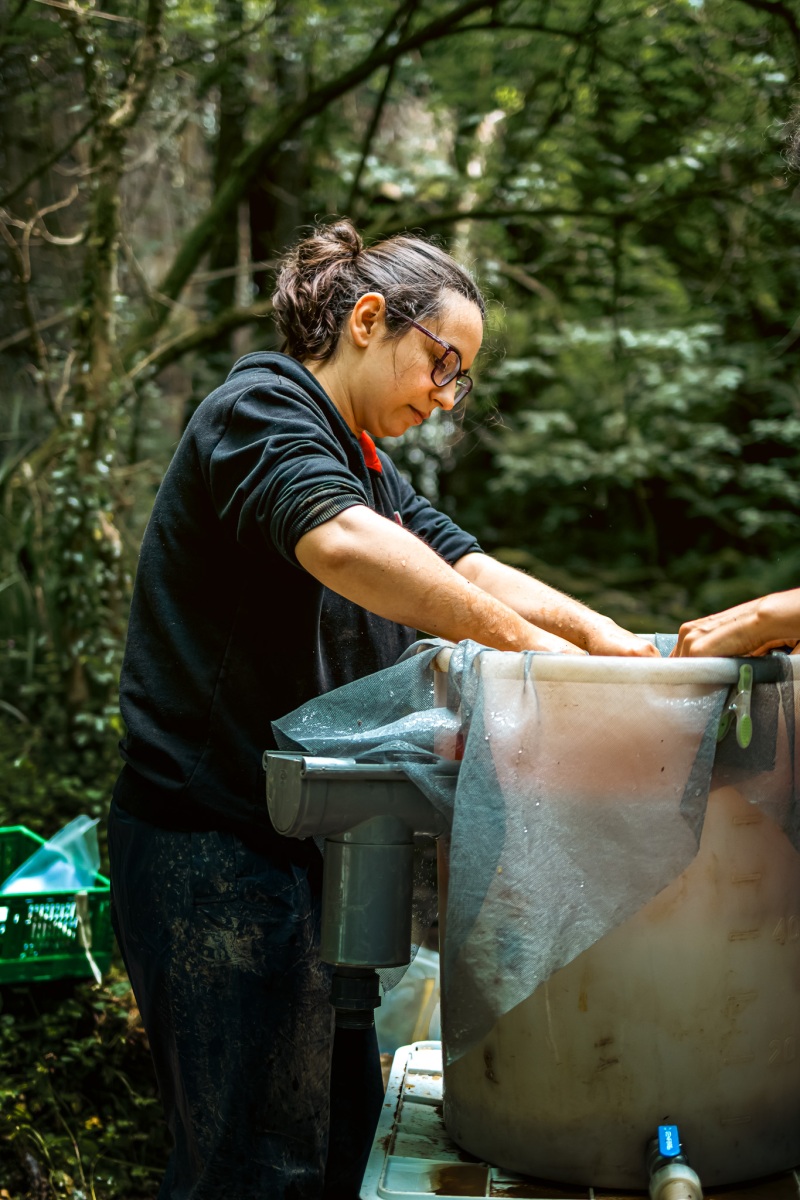
We’ve prepared a gallery with images from the 1–14 June campaign —a visual diary of two very special weeks for the team. If you’d like to see more content from Aitzbitarte III, visit our Instagram:

  • Instagram Reel — Ana B. Marín-Arroyo explains the importance of Aitzbitarte III.
  • Photo carousel — some pics of the team and excavation area during 2025 campaign. → (link)

Acknowledgements

This work is part of the ERC-funded SUBSILIENCE project (Horizon 2020). We gratefully acknowledge the financial support and collaboration of the Diputación Foral de Gipuzkoa and the Fundación Palarq, as well as our partner institutions, the municipality of Rentería and all team members, students and volunteers who made this campaign possible
 

The Iberian Peninsula: Final Witness to the Disappearance of the Neanderthals

Six years of research concentrated in an exhibition revealing how climate change and the arrival of Homo sapiens marked Neanderthal decline

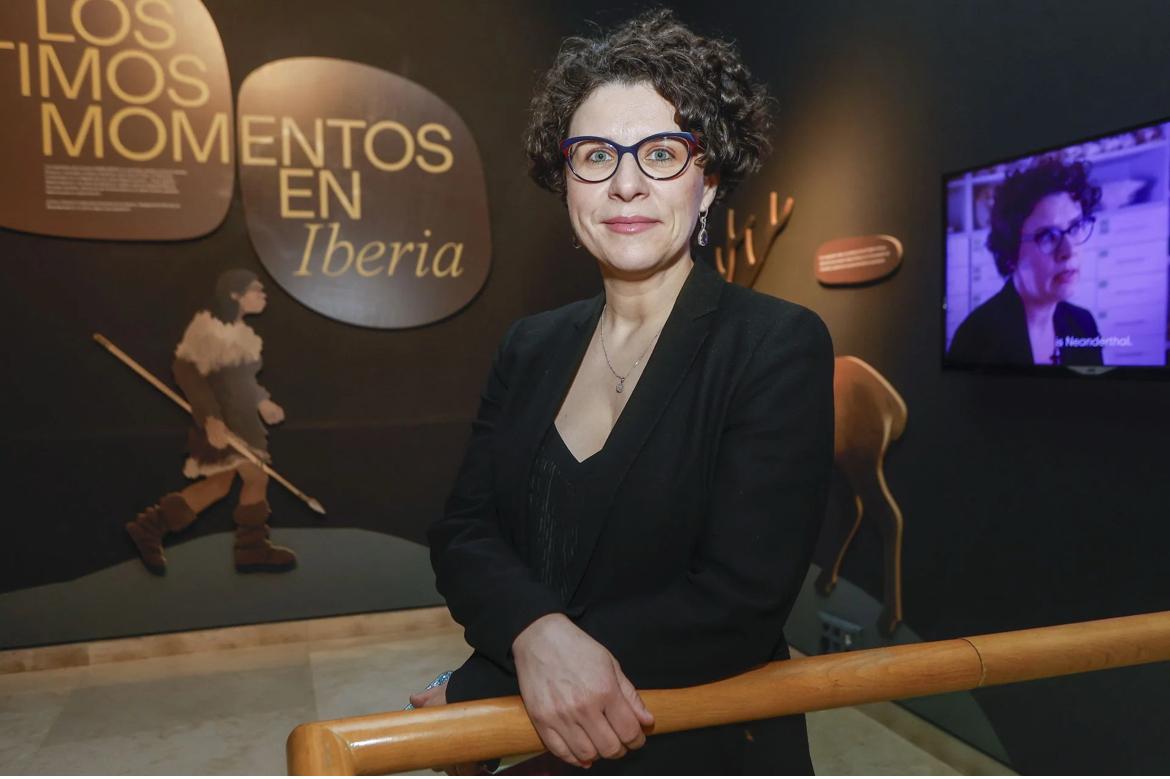
Ana B. Marín-Arroyo — Professor of Prehistory and exhibition curator. Photo: El Diario Montañés.

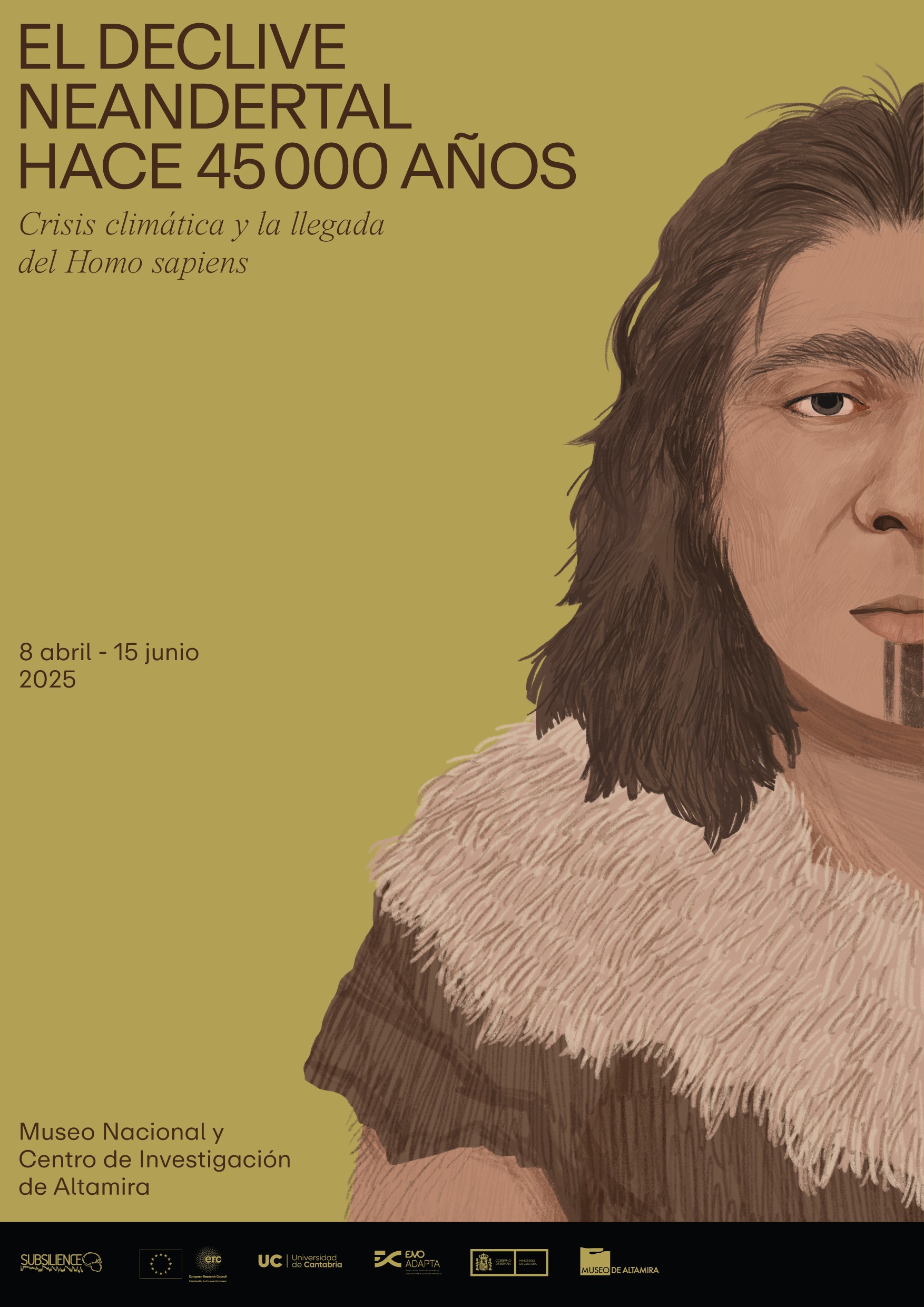
The Altamira Museum has welcomed the exhibition “Neanderthal Decline 45,000 Years Ago: Climate Crisis and the Arrival of Homo sapiens,” the result of six years of intensive research carried out by the SUBSILIENCE project, developed by the EvoAdapta group at the University of Cantabria. Funded with €2 million by the European Research Council (ERC) under the Horizon 2020 programme, this ambitious study has analysed subsistence strategies and evaluated the resilience of the last Neanderthal groups in Europe in the face of pronounced climatic changes occurring between 57,000 and 27,000 years ago, during Marine Isotope Stage 3 (MIS 3).

To date, various hypotheses have been proposed to explain the disappearance of the Neanderthals, with climate playing one of the most argued roles. SUBSILIENCE, after reconstructing climatic and environmental conditions at regional scales where Neanderthals lived, demonstrates that climate not only played a fundamental role in disrupting the availability of ecosystem resources for human diets, but that together with the arrival of our species these factors very significantly affected the progressive Neanderthal decline across the continent.

OPENING CEREMONY


The opening ceremony brought together distinguished figures from the academic, cultural and political spheres. Among those attending were the Rector of the University of Cantabria, Conchi López; the Director of the Altamira Museum, Pilar Fatás; the Director General of Culture of the Government of Cantabria, Eva Guillermina Fernández; and the Mayor of Santillana del Mar, Sara Izquierdo. During the event, the significance of the SUBSILIENCE project for science communication and the preservation of prehistoric heritage was emphasised. Authorities highlighted how this exhibition reveals groundbreaking findings about Neanderthal decline while reaffirming the University of Cantabria’s commitment to research excellence and to attracting and training new researchers.

THE PROJECT


Traditionally, palaeoclimatic information about the past was obtained from global records—such as Greenland ice cores or pollen in marine cores—offering a limited view of regional environmental conditions in those parts of Europe where Neanderthals lived.

Professor Ana B. Marín-Arroyo, Principal Investigator of SUBSILIENCE, stated:
“Our study has revealed how the specific climatic and environmental conditions in the regions where Neanderthals lived have been crucial for interpreting their progressive spatial disappearance across the European continent. It was on the Iberian Peninsula that, from about 45,000 years ago, the last Neanderthal groups gradually shifted toward the Mediterranean zone following the herds that made up their diet until, around 35,000 years ago, they finally disappeared, leaving only Homo sapiens as the human species on the planet.”

Thanks to the application of advanced techniques—such as palaeoproteomics, stable isotope analysis, palaeoclimatic modelling—and traditional methods like archaeozoology and radiocarbon (Carbon-14) dating, new data have been obtained that shed light on ecosystem transformations and the types of diets adopted by both human species during the Middle-to-Upper Palaeolithic transition. This multidisciplinary approach and collaboration with leading international groups not only expand our scientific knowledge of European prehistory, but have also helped train a new generation of junior researchers, attracting talent and new funding to Cantabria through European grants such as Marie Skłodowska-Curie and national schemes like Juan de la Cierva, among others. In addition, SUBSILIENCE has produced more than 40 publications in prestigious international journals, including some within the Nature and Science families, providing the results in open access to the academic community and the public.

THE EXHIBITION


The exhibition invites visitors to explore the transition between the last Neanderthal groups and the encounter with the first Homo sapiens—a period of very rapid and abrupt climatic changes, in which interspecies competition transformed the landscapes of the Iberian Peninsula and the exploitation of food resources. Based on bioarchaeological findings from 21 sites in southern Europe, the exhibition links the past with the present, delving into human evolution and offering lessons for the future.

On display until 15 June 2025, the exhibition enriches Cantabria’s cultural offerings and invites reflection on our history as a species. Through the lens of Neanderthal decline, visitors are encouraged to question the role of environmental adaptation in our own survival and its implications in a world marked by climate change. What factor was key to persisting as the only living human species on the planet? The exhibition confronts us with the reality that, like the Neanderthals, our continued presence on Earth depends on our relationship with the environment and invites us to reflect on the importance of caring for our natural surroundings today to ensure a sustainable future.

Guided tours will be held on Tuesday 29 April, Tuesday 13 May and Sunday 25 May 2025, at 12:00 p.m., during which Marín-Arroyo will lead attendees through the past.

For more information, please consult the Altamira Museum website at www.museodealtamira.com or follow the group’s social media accounts @grupoevoadaptauc and @erc_subsilience.


EvoAdapta UC successfully concludes the III excavation campaign at Aitzbitarte III

The cave is located near San Sebastian sourrounding by eight caves with prehistoric art and human occupation along the Upper Palaeolotithic 

After twelve days of excavation at the Aitzbitarte III cave, the EvoAdapta group from the University of Cantabria, along with the ERC SUBSILIENCE project and the Prehistoric Technology Laboratory from the University of Salamanca, successfully concluded the 3rd archaeological campaign. The cave, which belongs to a set of Paleolithic sites, is located in the municipality of Rentería-Gipuzkoa, in the Basque Country, within an area known as Landarbaso.

Aitzbitarte is a small limestone hill that houses nine caves named Aitzbitarte I to IX after the stream that flows at their base. The largest sites are III, also known as the “lower large cave,” and IV, known as the “upper large cave.” Paleolithic hunters inhabited these caves, with indications of the Lower Paleolithic and Aurignacian are found in the third cave.

Human Subsistence Refuge

The ERC SUBSILIENCE project focuses on studying human subsistence strategies through the analysis of 20 key sites located in southern European refuges, specifically in Serbia, Croatia, Italy, and Spain. One of these refuges, the easternmost part of the northen Iberian peninsula, is the Aitzbitarte III cave.

Through various analyses and combining of multidisciplinary techniques, the project aims to reconstruct paleoeconomic, paleoclimatic, and paleoecological conditions with high-precision chronology. This is helping to determine which specific subsistence patterns (if any) favored Homo sapiens over Neanderthals and to what extent climatic fluctuations affected Neanderthal extinction in each study area, ultimately proposing an explanation on a pan-European level.

Participation in the XV. Achaeological Meetings in Bilbao

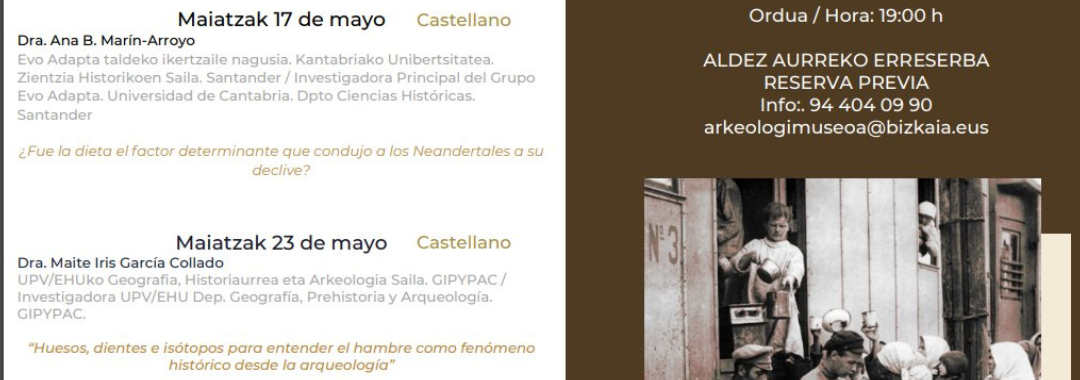
This Friday, Ana B. Marín-Arroyo, Principal Investigator of the SUBSILIENCE project, will give a lecture at the Archaeological Museum as part of the XV Archaeological Meetings.

The lecture, titled “Was Diet the Determining Factor Leading to Neanderthal Decline?”, will explore the hypothesis of how the Neanderthals’ diet may have influenced their survival and eventual disappearance.

The event promises to be a fascinating discussion on archaeology and human evolution, providing new insights into our ancestors.